


Chapter III.
The Eastern Holocaust Without Death Camps
Soon after, the Germans began killing Jews. They didn’t transport them to camps but murdered them on the spot. They gathered them in one place, mostly in the Hrubieszów Jewish cemetery, and killed them in groups. Ukrainian police often helped them with these crimes.
Before the war, the Jews were, for the most part, a closed community and didn’t integrate with Poles or Ukrainians. A few families were an exception, among them the Perlmutter family, whom everyone considered their own. They even invited us to a wedding. I remember beautiful songs like „Oh my dream, oh my longing” and delicious challah and other baked goods that I never ate again. When the war arrived, my friend Ryfka confided in us about her problems.
”Why are you worrying about things, Ryfka, when the Germans are going to kill you anyway?” I said words that I am ashamed of today.
”You’re an idiot, Hela!” Ryfka replied.
Unfortunately, some time later, the Germans really did kill Ryfka, and so I am even more ashamed of my words.
One day, a Jew named Josel, who used to often come to the village with goods, came to the cottage.
”Save me!”
”Oh, Josel! Warm up, eat, but when it gets dark, you have to go. I can’t do more for you. I have children! I’m already risking my life by letting you in the house.”
”I understand, I know…”
”You gave us candy on credit,” I reminded Josel, „and then you came to my father for the money. Oh, did I get a whipping for that!”
”This is no time to be bringing up such things. We all have enough misery without arguing among ourselves,” my father scolded me, „but we can’t do more for Josel.”
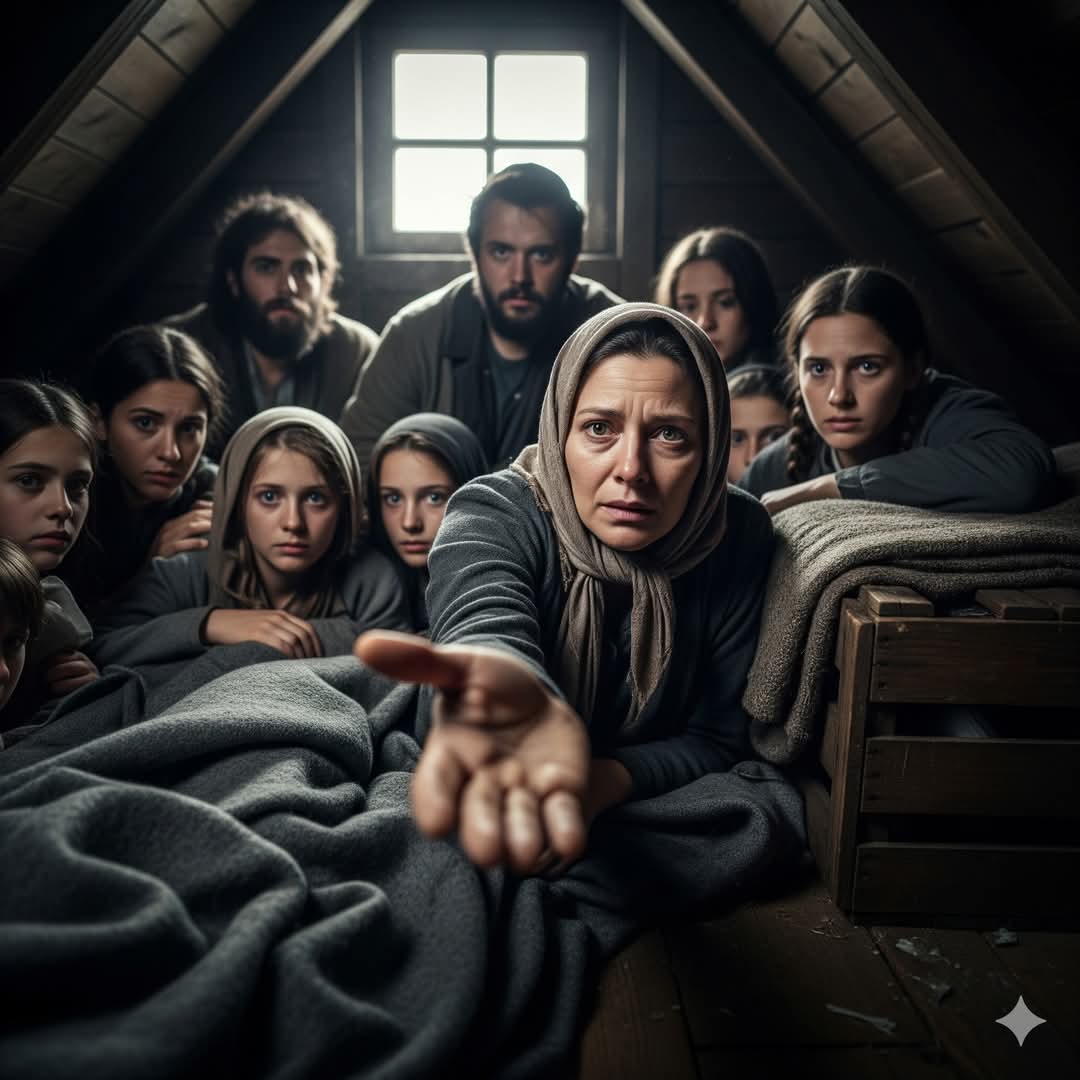
When darkness fell, Josel headed toward the forest. After the war, I saw someone similar to Josel on a street in Hrubieszów and waved to him from a distance. He didn’t react. Maybe I confused Josel with someone else. I then thought that maybe he was resentful that we didn’t take him in for longer. However, my father still risked a great deal by offering him a temporary stay because for any help given to Jews, even for offering a cup of water, the Germans sent Poles to concentration camps or shot them. Not everyone was a great hero like the Ulma family, but such small but risky gestures were also important.







Zostaw komentarz